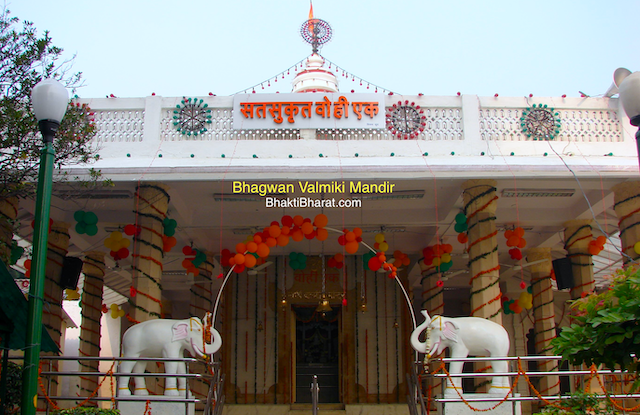
Samadhi is the Hindi name for a temple, shrine, or memorial commemorating the dead. Samadhi sites are often built in this way to honor people regarded as saints or gurus in Hindu religious traditions, wherein such souls are said to have passed into maha samadhi, or were already in samadhi at the time of death.
Types of Samadhi
❀Bhu-Samadhi
❀Jal-Samadhi
For
Bhu samadhi: a pit 10 to 12 feet deep dug required and need to make a small room there to keep the body of the saint. When a saint is given Bhu-samadhi, he is made to sit in a perfect posture and his body is decorated in 16 ways and then he is given samadhi with Vedic chanting. However, the last phase of Samadhi is kept completely secret and the place is covered with the help of curtains and sheets.
Why are saints given Bhoomi Samadhi?
It is believed that the tradition of giving land to the saints is 1200 years old. In the 9th century, Adishankaracharya also took Bhu-samadhi, who is believed to be an incarnation of Bhagwan Vishnu. Adi Shankaracharya had established monasteries(Muth) in all four directions of India and it is believed that this is where the monastic(Muth) tradition started in India. Bhu Samadhi is given to saints so that even after their death, their disciples and followers can visit the place of samadhi and see them and feel their presence.
Jal Samadhi
Some saints also take Jal samadhi, but due to pollution in the rivers, very few saints do so now. It is said that in the Treta Yuga,
Bhagwan Shri Ram also took Jal samadhi in the
Saryu River near Ayodhya.
The tradition of India is cremation for most Hindu people at the time of death, while samadhi is generally reserved for very advanced souls, such as yogis and saints, who have already been "purified by the fire of yoga" or who are believed to have been in the state of samadhi at the time of death.
If you love this blogs please
like,
share or
comment!
 Follow Bhakti Bharat Whatsapp Channel
 »
Bookmark / Save this blogs for future

* Please share any of your suggestions or ideas with us.
** Please write your any type of feedback or suggestion(s) on our contact us page. Whatever you think, (+) or (-) doesn't metter!